

Rates can be up and cash flow can still be late — fuel and the truck note are due now.
Trucking funding and owner-operator working capital help carriers cover fuel, the truck note, and payroll while broker pay runs 30 to 45 days behind the load — terms vary by provider, and approval is not a promise. If you run your own truck or a small fleet, 2026 has handed you a strange problem: the freight market finally turned in your favor, but your bank account doesn’t feel it. Spot rates have climbed toward multi-year highs across dry van, reefer, and flatbed — yet the cash still isn’t showing up when the bills are due. That gap is not a profitability problem. It’s a cash-flow problem, and it’s exactly the kind of squeeze alternative funding is built to bridge.
Strong rates, slow money
Industry trackers describe a market that tightened through late 2025 into 2026, with truck postings near decade lows and tender rejections holding high — all signs that should mean leverage for carriers. But stronger rates have not translated into stronger cash flow. Fuel stayed expensive through a volatile spring, operating costs remain elevated, and many brokers still pay on 30-to-45-day terms.
Sources: FTR Trucking Market Update (2026); Summar Freight Market Update (2026).
Why fuel hits owner-operators hardest
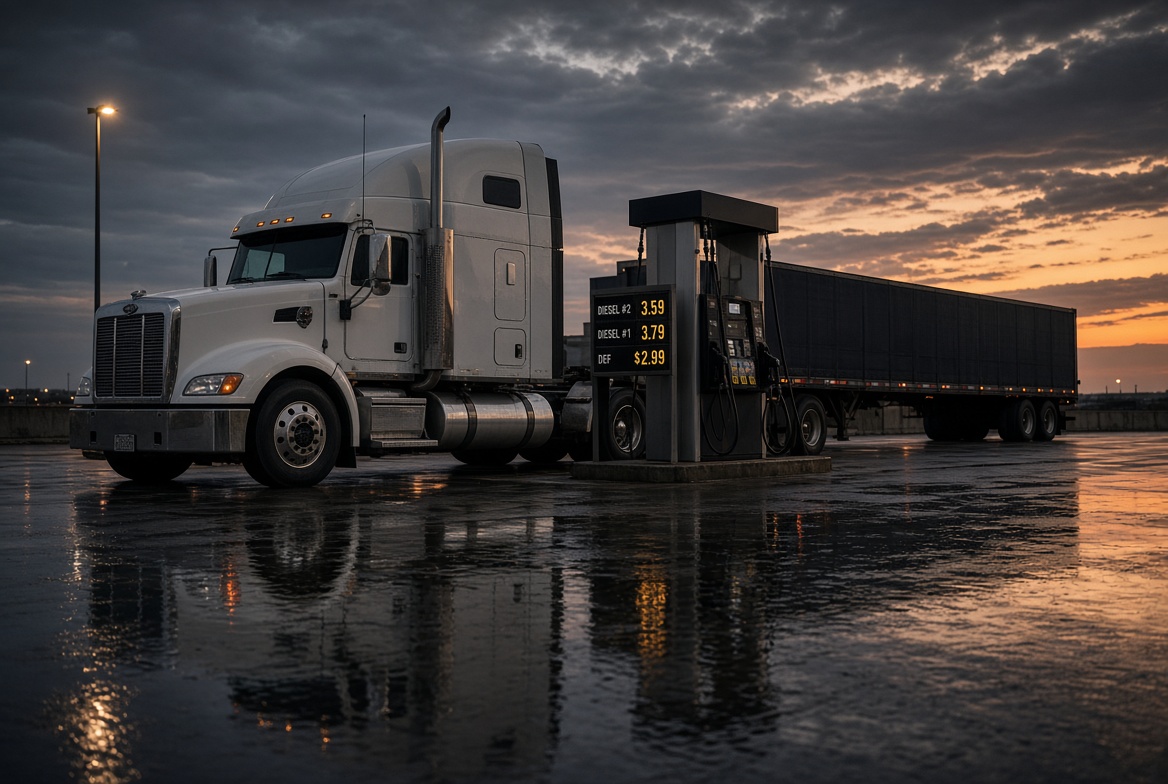
Diesel surged sharply in early 2026 before pulling back, and prices have kept swinging since. Large carriers hedge fuel and negotiate bulk discounts. Independent operators usually pay at the pump, out of pocket, with no buffer — so every swing lands directly on your margin. Some owner-operators have parked trucks they couldn’t run profitably during the spike; others moved into company-driver seats just to cut their fuel exposure.
Where revenue-based funding fits
Banks look backward at credit and collateral. They’re slow, and right now they’re tightening — the Federal Reserve’s own surveys show banks, on net, still raising the bar on small-business loans. Revenue-based working capital looks at something different: your monthly deposits. If freight is moving and money is landing in your account on a regular cycle, that revenue may open a path even if your credit isn’t pristine and even if a bank already said no. Revenue-based funding is often described as a business cash advance: the amount is sized from your deposits, and terms vary by provider.
That’s the bridge — turning next month’s receivables into this week’s working capital so you can cover fuel, keep the truck rolling, and take the loads that are actually out there instead of passing on them.
Fundseta does not lend or approve. A provider decides amounts, terms, and timing.
Common questions
Can I get funding if my broker pays in 30 to 45 days?
Yes. Slow broker pay is one of the most common reasons owner-operators seek working capital. Revenue-based funding looks at your monthly deposits, so consistent freight revenue may open a path to bridge the gap between delivery and payment.
Will rising fuel costs affect whether I qualify?
Qualification is based primarily on your business deposits, not fuel prices. Many owner-operators use working capital specifically to smooth out fuel cost spikes while waiting on broker payments.
Do I need great credit to get truck financing?
Not necessarily. Revenue-based options weigh your monthly deposits more heavily than credit alone, which is why drivers turned down by a bank can still qualify. Checking your path on Fundseta does not involve a hard credit pull.
How fast can funding reach my account?
Timelines vary by program and provider, but many revenue-based options can move from approval to funded in a matter of days (not a promise).